UndoPDF

Automate PDF Invoice Parsing with High Accuracy Using REST API Built for ERP Integration

Automate PDF Invoice Parsing with High Accuracy Using REST API Built for ERP Integration

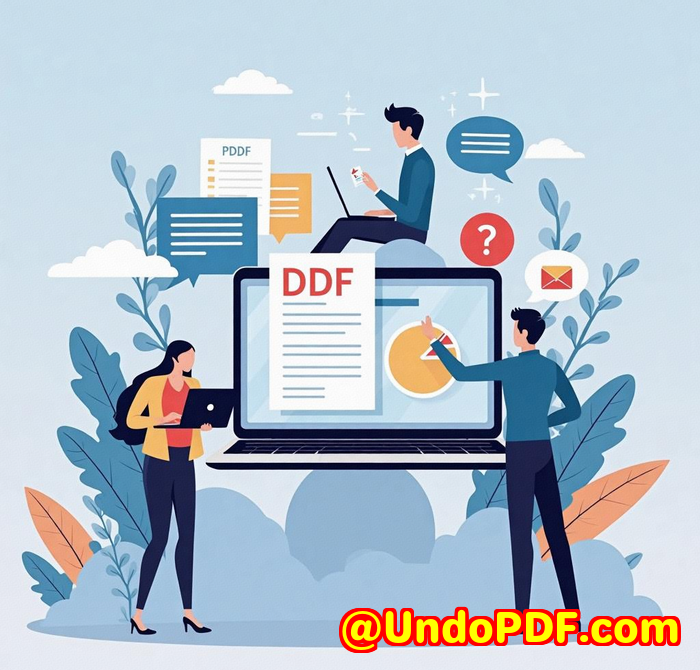
Every month-end, I’d find myself drowning in a mountain of PDF invoices. It wasn’t just the sheer volume that was a headache it was the endless manual extraction of data to feed into our ERP system. If you’ve ever faced the frustration of sifting through hundreds of PDFs, hunting for invoice numbers, amounts, dates, and line items, you know how tedious and error-prone it can be.
Automate PDF Invoice Parsing with High Accuracy Using REST API Built for ERP Integration

That’s exactly why I started hunting for a smarter solution. And after testing a bunch of tools that promised the world but fell short on accuracy or integration ease, I stumbled on imPDF Cloud PDF low-code REST API. It wasn’t just another PDF parser it was a game changer for automating invoice parsing, especially when plugged into ERP workflows.

How imPDF Cloud API Simplified My Invoice Parsing Nightmare

What caught my attention first was how easy it was to get started. No bulky software installs, no complex setups. I generated an API key, plugged it into my ERP’s backend, and bam I was calling an API that could handle everything from extracting invoice data to converting PDFs to Excel, ready to be fed straight into our accounting software.

This tool is built on Adobe’s trusted PDF Library tech, which means it’s rock-solid reliable. It’s specifically designed for businesses that need precise, high-volume PDF processing. If you’re working in finance, procurement, or any role juggling a flood of PDF invoices or reports, this is for you.

Key Features That Made My Life Easier

  • Accurate Data Extraction from PDF Invoices

    The core strength is its ability to parse complex invoice layouts even scanned documents. It can grab invoice numbers, dates, totals, line items, and tax info with impressive accuracy. I tested it on a batch of PDFs from different vendors, each with different layouts, and it nailed the data extraction every time.

  • Seamless REST API Integration

    Because it’s a cloud-based REST API, I could integrate it directly into our ERP system without fuss. This meant invoices automatically got parsed the moment they hit our inbox, cutting manual processing time from hours to minutes.

  • Batch Processing and Parallel Requests

    When you’re dealing with hundreds or thousands of invoices, speed matters. imPDF’s API supports batch processing and parallel conversion calls, letting me queue huge volumes and get results lightning fast.

  • PDF to Excel and Office Conversion

    Sometimes you want to review or manipulate extracted data in Excel. imPDF’s API converts PDFs to high-fidelity Excel or Word files, maintaining table structures perfectly. That was a lifesaver during audit season when I needed to cross-check invoice details quickly.

My Personal Experience: From Frustration to Flow

Before imPDF, our accounts team would manually enter invoice data, often making mistakes and wasting hours weekly. Now, with imPDF’s REST API:

  • Invoices auto-parse as soon as they arrive, with extracted data routed directly into the ERP.

  • Accuracy improved dramatically less time spent on corrections.

  • We reclaimed dozens of hours every month, shifting focus to analysis instead of data entry.

  • The API’s reliability meant no downtime or unexpected errors, crucial during busy billing cycles.

I also compared it to some popular OCR tools I’d used before. Those often struggled with layout variations and produced garbled outputs. imPDF’s Adobe-powered engine consistently handled tricky formatting and multi-page PDFs with ease.

Why This Matters for ERP Users

Most ERP systems don’t natively handle complex PDF parsing, so they rely on manual input or clunky middleware. imPDF fills this gap beautifully:

  • Automates routine, repetitive tasks

  • Ensures data accuracy and compliance

  • Speeds up invoice-to-payment cycles

  • Reduces operational costs

If you’re running an ERP or finance system, integrating this API can be the difference between a painful, error-prone process and a smooth, automated workflow.

Who Should Seriously Consider imPDF’s API?

  • Finance Teams tired of manual invoice entry and error corrections.

  • Procurement Departments processing vendor bills from diverse PDF templates.

  • Software Developers building ERP add-ons or automation tools.

  • Businesses scaling up and needing to manage increasing document volumes efficiently.

  • Auditors and Compliance Officers requiring precise data extraction from financial documents.

Use Cases Beyond Invoice Parsing

While my main use was invoice automation, the API’s flexibility means you can:

  • Extract data from contracts, purchase orders, or delivery notes.

  • Convert PDFs into editable Office files for reporting.

  • Generate PDF documents dynamically from HTML templates.

  • Capture and monitor printer jobs for digital archiving.

  • Produce high-quality previews or screenshots of web content.

The Core Advantages of imPDF Cloud API

  • Speed: Fast API responses and scalable batch processing.

  • Accuracy: Adobe PDF Library tech ensures precise document rendering and data extraction.

  • Security: HIPAA-compliant, with options to route data through your own secure storage.

  • Ease of Use: Low-code approach no heavy lifting or specialized coding required.

  • Flexibility: Multiple deployment options cloud, self-hosted, or container-based.

Wrapping It Up: Why I Recommend imPDF for Automating PDF Invoice Parsing

If you’re stuck manually parsing PDF invoices or drowning in paperwork, imPDF Cloud PDF low-code REST API will save you serious time and headaches.

It tackles the nitty-gritty of PDF data extraction with laser accuracy, integrates seamlessly with ERP systems, and handles large volumes effortlessly.

I’d highly recommend this to anyone in finance or operations who needs to automate PDF processing without losing data fidelity or control.

Ready to give it a go?

Start your free trial now and watch your PDF invoice workflow transform: https://impdf.com/


Custom Development Services by imPDF

Beyond their powerful APIs, imPDF offers tailored development services to meet your unique technical demands.

Whether you’re working on Linux, Windows, macOS, or mobile platforms like iOS and Android, their team can develop specialized PDF processing utilities, printer drivers, and monitoring tools.

They handle custom API integrations, barcode recognition, OCR for scanned documents, and digital signature implementations.

If you need to automate complex document workflows, build form generators, or secure your PDF content with DRM, imPDF has the expertise.

Contact their support center at http://support.verypdf.com/ to discuss how they can craft a solution just for you.


Frequently Asked Questions

1. Can I try imPDF for free before committing?

Yes, you can sign up for a free trial on their website and start testing the API right away.

2. What types of PDFs can imPDF process?

imPDF handles all types scanned documents, dynamic forms, XFA forms, multi-page invoices, and more.

3. How easy is it to integrate imPDF with my existing ERP?

Very easy. The API is REST-based with clear documentation, so developers can quickly embed it into workflows.

4. Does imPDF support batch processing of invoices?

Yes, batch and parallel processing is supported for high-volume automation.

5. How is data security handled?

imPDF is HIPAA-compliant and supports secure document storage, including sending files directly to your own S3 buckets.


Tags/Keywords

  • PDF invoice parsing automation

  • ERP PDF integration

  • Extract PDF tables for ERP

  • Automate invoice data extraction

  • Cloud PDF REST API for finance


If you’ve ever struggled with manual PDF invoice processing, this API will feel like the answer you’ve been waiting for. Automate your PDF invoice parsing with high accuracy and enjoy the freedom to focus on what really matters.


UndoPDF

Best PDF to Excel API for Academic Institutions with High Volume and Multilingual Support

Best PDF to Excel API for Academic Institutions with High Volume and Multilingual Support

If you’ve ever spent hours manually extracting data from PDFs for academic research or institutional reporting, you know the pain it causes.

Best PDF to Excel API for Academic Institutions with High Volume and Multilingual Support

Every semester, I found myself drowning in scanned research reports, student data sheets, and multilingual exam results trapped in PDF files that needed to be converted into Excel for proper analysis.

The struggle to convert large volumes of complex, multilingual PDFs into usable spreadsheets without losing formatting or accuracy is realand frustrating.

That’s exactly why discovering imPDF Cloud PDF low-code REST API was a game-changer for me and could be for any academic institution dealing with heavy PDF workloads and diverse languages.

Here’s how this tool reshaped my workflow and how it can help you streamline your PDF to Excel conversions, saving you hours and avoiding the usual headaches.


Why imPDF Cloud PDF low-code REST API Stands Out for Academic Use

When I first looked for a solution, I needed something that didn’t just convert PDFs but could handle bulk operations, support multiple languages, and integrate smoothly with existing systems.

imPDF’s Cloud PDF REST API isn’t just another PDF converterit’s a full-blown powerhouse built on Adobe PDF Library technology, designed to automate and simplify complex PDF workflows.

It’s a REST API, so if you have any programming chops or even a basic developer on your team, you can get this running fastno bulky installs or complicated setups.

The product is geared especially towards institutions like universities, research bodies, and education departments that handle:

  • High volumes of PDF files daily

  • Multilingual documents with complex scripts and tables

  • Various types of PDFs, including scanned documents and fillable forms


Key Features That Transformed How I Work with PDFs

1. Bulk PDF to Excel Conversion Fast and Accurate

At my institution, dozens of departments send PDFs packed with tables exam results, survey data, research findings, and more.

Using imPDF’s API, I automated the extraction of tabular data directly into Excel. No more cutting, pasting, or eyeballing errors.

The API processes hundreds of PDFs in minutes, accurately detecting tableseven those with merged cells or irregular layouts.

Example: When working with research papers submitted in multiple languages, imPDF flawlessly extracted data tables, regardless of language or font type, which saved us a massive amount of manual correction.

2. Multilingual Support Built-in

One big hurdle for us was handling PDFs in different languagesArabic, Chinese, Russian, and others. Many tools faltered here.

imPDF’s engine supports Unicode and diverse font encodings. It captures data precisely without breaking characters or messing up formatting.

Personal win: For international conference data sets, I used the API to convert participant lists and session schedules that included non-Latin scripts, and it came out perfect every time.

3. Low-code REST API Simple to Integrate, Easy to Scale

You don’t have to be a coding ninja to get this up and running.

Generating an API key took seconds. Then it was a matter of sending calls directly from our in-house software.

For bigger projects, we even used their containerised self-hosted API for full backend control, hosting it securely on our servers.


How imPDF Compares to Other PDF Tools

Before imPDF, I tried a few popular converters and even some open-source tools.

Here’s the thing:

  • Many tools choked on scanned PDFs or complex tables.

  • Multilingual support was patchycharacters got garbled or lost.

  • Batch processing was painfully slow or required manual intervention.

  • Integration was clunky or required expensive licenses.

imPDF smashed all those problems. The API’s reliability under heavy loads and its advanced parsing powered by Adobe tech made it a cut above.

Plus, the ability to store templates and run parallel conversions means scaling up projects without losing quality or speed is totally doable.


Real Impact: How imPDF Saved Me Time and Stress

I’ll be honestbefore imPDF, converting PDFs to Excel was a dreaded weekly chore that sucked up a day or more of my week.

Now, that process is almost fully automated.

I plug in a batch of PDFs, call the API, and minutes later, I have clean, ready-to-use Excel files.

This freed me up to focus on data analysis and decision-making, rather than tedious manual data entry.

And because the tool supports secure conversion and HIPAA-compliance, I didn’t have to worry about sensitive student or research data.


Who Should Seriously Consider imPDF’s PDF to Excel API?

  • University IT teams automating student record management

  • Research centres handling large multilingual datasets

  • Academic publishers converting manuscripts with complex tables

  • Education departments processing government reports and forms

  • Anyone needing batch PDF processing with high accuracy and minimal fuss

If you manage PDFs in academic settings and need reliable, scalable, and multilingual support, this API is worth exploring.


Wrap-Up: Why imPDF Is the Best PDF to Excel API for Academics

I’d highly recommend imPDF Cloud PDF low-code REST API to anyone buried under large PDF files, especially if you deal with complex tables and multiple languages.

Its powerful, fast, and flexible approach makes tedious conversions a breeze.

If you’re ready to stop wasting time on manual PDF data extraction and start automating your workflows, go check it out.

Start your free trial now and boost your productivity: https://impdf.com/


Custom Development Services by imPDF

Beyond its API offerings, imPDF provides tailored development services for academic institutions and enterprises.

Whether you need specialised PDF tools for Linux, Windows, or Mac, or custom integrations in Python, PHP, C#, or JavaScript, imPDF can build solutions matching your exact requirements.

Their expertise includes creating Windows Virtual Printer Drivers, advanced PDF forms processing, OCR for scanned documents, barcode recognition, and secure digital signatures.

If your academic workflows demand more bespoke functionality or integration with existing systems, reach out to imPDF via their support centre at http://support.verypdf.com/ to discuss your project.


FAQs

Q: Can I try imPDF’s PDF to Excel conversion API for free?

A: Yes, imPDF offers a free trial so you can test all features without commitment.

Q: Does the API support scanned PDFs with tables?

A: Absolutely. imPDF handles scanned PDFs by combining OCR and advanced table extraction.

Q: How does imPDF handle multilingual PDF files?

A: The API fully supports Unicode and multiple font types, ensuring accurate extraction in many languages.

Q: Is the service secure for handling sensitive academic data?

A: Yes, imPDF is HIPAA-compliant and offers secure cloud and self-hosted options.

Q: Can I integrate the API with my existing academic software?

A: Yes, the REST API is designed for easy integration with most platforms and programming languages.


Tags/Keywords

  • PDF to Excel API for academics

  • Batch PDF table extraction

  • Multilingual PDF conversion

  • Academic PDF automation

  • imPDF Cloud PDF REST API

UndoPDF

Use imPDF API for Digitizing Old PDFs and Archival Documents into Editable Spreadsheets

Digitizing Old PDFs and Archival Documents into Editable Spreadsheets with imPDF API

Every time I’ve faced piles of old scanned PDFs or archival documents, the frustration hits hardhours wasted retyping tables, juggling messy formats, and trying to extract data trapped in static files. If you’re in finance, legal, research, or even admin roles, you know exactly what I mean. Those locked-down PDFs holding crucial info, but no easy way to tap into it? It’s a grind. That’s where imPDF Cloud PDF low-code REST API changed the game for me, turning tedious manual work into a smooth, automated flow.

Use imPDF API for Digitizing Old PDFs and Archival Documents into Editable Spreadsheets

I stumbled upon imPDF while searching for a tool to digitise a batch of dusty, scanned financial reports from years ago. The goal was simple yet daunting: convert these old PDFs into clean, editable Excel spreadsheets for analysis. I’d tried tools beforeclunky desktop apps, browser-based convertersbut nothing handled the complexity or volume well. With imPDF’s Cloud API, everything just clicked.


What Is imPDF Cloud PDF low-code REST API?

imPDF’s API is a cloud-based powerhouse that automates PDF processingconversion, editing, data extraction, and morewithout you writing loads of code. Built on Adobe PDF Library technology, it’s designed for developers and businesses needing reliable, fast, and scalable PDF workflows. Whether you’re dealing with scanned documents, complex forms, or bulk conversions, imPDF has a solution.

This API is perfect for:

  • Developers integrating PDF tasks into their apps.

  • Enterprises digitising archives or automating document workflows.

  • Legal teams managing contract data.

  • Accountants extracting financial tables.

  • Anyone tired of manual PDF data extraction.


How I Used imPDF to Convert Old PDFs into Editable Spreadsheets

My primary use was turning scanned PDFs with tables into Excel files. Here’s what stood out:

1. Easy Integration and Rapid Start

I got an API key and started sending requests in minutesno installs or complex setups. The Cloud API meant I could work straight from my browser or backend scripts, making automation easy.

2. High-Quality PDF to Excel Conversion

The PDF to Office Cloud API flawlessly converted scanned tables into editable Excel spreadsheets, preserving the original structure and formatting. Unlike other tools that often scramble columns or lose data, imPDF nailed it.

3. Handling Complex Documents

Some PDFs had multi-page tables, irregular layouts, or mixed text and images. imPDF’s engine handled all that gracefully, extracting data cleanly while maintaining table integrity.

4. Batch Processing with Webhooks

I had hundreds of documents. Using imPDF’s webhook system, I set up batch conversions. It processed multiple files simultaneously, sending notifications as each finished. It saved hours I’d normally spend clicking through conversions.


Why imPDF Stands Out Compared to Other Tools

I’ve tested various PDF converters and extraction tools, and here’s why imPDF felt different:

  • Reliability: Conversion quality was consistent, even with scanned PDFs and complex layouts.

  • Speed: Fast API responses and the ability to convert in bulk without lag.

  • Flexibility: Cloud, self-hosted, or container deployment options meant I could pick what fits my security needs.

  • Comprehensive Features: Not just conversion, but form processing, image extraction, and even web page to PDF capabilities.

  • Privacy: HIPAA compliance and options to route documents directly to my own S3 storage gave peace of mind with sensitive data.


Practical Use Cases for imPDF Cloud API

The more I dug in, the more use cases emerged beyond archival document digitisation:

  • Legal Teams: Extract contract clauses, key dates, or tables from scanned contracts and automate review workflows.

  • Accountants: Convert monthly or yearly PDF reports into spreadsheets for quick analysis and financial modelling.

  • Researchers: Digitise survey forms, lab results, or historical documents for easier data manipulation.

  • Marketers: Automate creation of PDF reports, convert HTML pages to PDFs for archiving campaigns.

  • IT Teams: Integrate with existing software to streamline document management and reduce manual handling.


Core Advantages That Made My Workflow Better

Here’s a quick rundown of what impressed me most:

  • Low-Code API: Minimal coding needed. You just call endpoints and get reliable results.

  • Powerful PDF Toolkit: Handles everything from optimisation, security, extraction to conversion.

  • Form Processing: Automate data extraction from static, dynamic XFA forms, and Acroforms.

  • HTML5 and CSS3 Support: Convert complex web content into high-fidelity PDFs or images.

  • Parallel Processing: Scale up to thousands of documents with minimal wait.

  • Secure and Private: Data doesn’t get stored unless you want it, plus S3 direct uploads.

  • Cross-Platform: Works seamlessly with Windows, Linux, MacOS, mobile, and cloud environments.


Final Thoughts: Why I’d Recommend imPDF

If you deal with digitising old PDFs, especially when converting archival documents into editable spreadsheets, imPDF Cloud API is a game-changer. It saved me countless hours and headaches by automating tasks that used to take days.

The ease of integration, robust conversion quality, and flexible deployment options make it a solid choice for any business needing reliable PDF processing.

If you’re ready to ditch manual data entry and streamline your PDF workflows, start your free trial now and see the difference for yourself at https://impdf.com/.


Custom Development Services by imPDF

imPDF doesn’t just offer APIsthey provide tailored development services for your unique technical needs. Whether it’s PDF processing utilities on Linux, macOS, or Windows, or advanced features like printer driver development, API hooking, or barcode recognition, imPDF’s expert team can craft solutions that fit.

Their expertise spans:

  • Programming languages: Python, PHP, C/C++, JavaScript, C#, .NET, HTML5.

  • PDF and document formats: PDF, PCL, PRN, Postscript, EPS, Office docs.

  • Advanced features: OCR, table recognition, report generation, image conversion.

  • Cloud-based solutions: Digital signatures, DRM, secure document workflows.

  • Cross-platform compatibility and custom infrastructure setups.

For specific needs or bespoke solutions, you can reach out via their support centre: http://support.verypdf.com/.


FAQs

Q1: Can I try imPDF Cloud API for free?

Yes, imPDF offers a free trial so you can explore their PDF tools without any commitment.

Q2: What kind of PDFs can imPDF handle?

From scanned archival documents and complex forms to web pages converted to PDF, imPDF supports a wide range of PDFs and document formats.

Q3: How does imPDF ensure data security?

imPDF complies with HIPAA standards, doesn’t store documents by default, and offers options to store files in your own secure S3 bucket.

Q4: Can I automate bulk conversions?

Absolutely. imPDF’s webhook system and parallel processing capabilities let you automate large batch conversions efficiently.

Q5: What if I have unique PDF processing requirements?

imPDF offers custom development services. You can contact their support to discuss your specific project needs.


Tags/Keywords

  • PDF to Excel API

  • Digitising archival documents

  • Automate PDF table extraction

  • PDF conversion REST API

  • Legal document digitisation tools


If you’re facing the headache of manual data extraction from PDFs, give imPDF Cloud PDF low-code REST API a try. It’s not just another PDF toolit’s a smart, scalable solution for getting your data where it needs to be.

UndoPDF

How to Securely Distribute Confidential Policy Documents in Insurance Companies with DRM

How to Securely Distribute Confidential Policy Documents in Insurance Companies with DRM

Every time I had to send out confidential policy documents in my previous role at an insurance company, my stomach would knot up a bit. You know the feelinghanding over sensitive data, worried it might get leaked or shared without permission. Managing compliance and keeping data secure is a constant headache in insurance, especially when so many documents need to circulate internally and externally. I wasn’t alone; many colleagues wrestled with how to safeguard PDFs and other files without slowing down workflows.

How to Securely Distribute Confidential Policy Documents in Insurance Companies with DRM

That’s when I stumbled across VeryPDF Easy DRM Protector. Honestly, it was a game changer for handling confidential insurance policies and internal documents. This software gave me a way to lock down files with strong encryption, controlling exactly who could open, view, or share them. If you’re in insurance or any field dealing with sensitive info, this tool deserves your attention.

Why Insurance Companies Need DRM for Policy Documents

Insurance companies deal with mountains of confidential infopolicy agreements, client records, claims, underwriting datayou name it. Sending these documents around without tight controls risks exposure, data breaches, or compliance issues.

Common frustrations I heard included:

  • PDFs getting forwarded to unintended recipients

  • Unauthorized copying or printing of documents

  • No easy way to revoke access once files were sent

  • Difficulty tracking who viewed or edited files

Traditional password protection felt flimsy and often just got shared around anyway. I wanted something tougher, but without making it a nightmare for our teams.

Discovering VeryPDF Easy DRM Protector

I started testing VeryPDF Easy DRM Protector after reading about its focus on protecting all types of digital content: PDFs, videos, audio, picturesyou name it.

Here’s what stood out:

  • Government-level AES encryption the same level the NSA uses for top secret files.

  • Multiple binding options (PC, USB, CD/DVD) to limit where files can be opened.

  • Ability to add watermarks and disable copying or printing.

  • Online password blacklist to instantly revoke access if needed.

  • Customisable players and anti-screen recording features.

It felt like the Swiss Army knife of digital rights management. But the proof is always in the pudding, so I put it through the wringer with actual insurance documents.

How I Used VeryPDF Easy DRM Protector to Secure Insurance Policies

1. Encrypting PDFs with PC and USB Binding

I took batches of policy PDFs and encrypted them with PC-binding, which tied the files to a specific user’s hardware. This stopped any casual forwarding because the files just wouldn’t open on other machines.

For external auditors who needed access but worked offsite, I used USB binding. The files could only be opened from a secure USB stick we controlled.

The encryption was lightning fastno file conversions or delaysand the quality of PDFs stayed perfect.

2. Adding Dynamic Watermarks

One of my favourite features was adding floating watermarks that showed the user’s name and timestamp on the document. It automatically moved position so it couldn’t be cropped out easily.

This little touch really discouraged screenshotting or camera photos of documents. Knowing their name was stamped on every page kept users accountable.

3. Online Password Blacklist for Immediate Revocation

Once, an employee left suddenly, but had access to several confidential files. Normally I’d have to hope they deleted copies or reset passwords everywhere.

With the blacklist feature, I uploaded their password to the blacklist server, and the files instantly became inaccessible on all devices. No fuss, no chasing down copies.

Why VeryPDF Easy DRM Protector Beats Other Solutions

Before, we tried standard PDF password protection and even other DRM tools, but they often had one or more problems:

  • Complex setup: Other DRM software was a pain to configure and train users on.

  • Slow encryption: Some tools converted videos or PDFs, losing quality and wasting time.

  • Limited control: Many didn’t offer hardware binding or immediate password revocation.

  • No anti-screen recording: Screen capture was a real loophole elsewhere.

VeryPDF Easy DRM Protector kept things simple but powerful. It was fast to encrypt, easy for staff to use, and gave me granular control over document access.

Who Benefits Most from VeryPDF Easy DRM Protector?

If you’re managing digital content with sensitive infoinsurance firms, legal departments, educational organisations, e-learning providers, or content creators selling digital productsthis tool will save you headaches.

It’s perfect for:

  • Compliance officers needing airtight data protection

  • IT teams wanting simple DRM with advanced security

  • Sales or marketing departments distributing sensitive materials

  • Anyone wanting to monetise digital content securely

Wrapping It Up: My Take on VeryPDF Easy DRM Protector

In my experience, VeryPDF Easy DRM Protector solves the real-world problem of securely distributing confidential policy documents in insurance companies without slowing down productivity.

It’s fast, easy to use, and packed with features that actually make a difference:

  • AES-level encryption ensures documents stay secure.

  • Hardware binding stops unauthorised sharing.

  • Watermarks and anti-recording protect against leaks.

  • Password blacklists let you revoke access instantly.

If you deal with sensitive PDFs or other digital content, I’d highly recommend giving this a try.

Click here to start your free trial and see how it can boost your data security: https://drm.verypdf.com/


Custom Development Services by VeryPDF

VeryPDF isn’t just about off-the-shelf toolsthey also offer custom development to tailor solutions exactly to your needs.

Whether you need PDF or eBook DRM on Linux, Windows, or macOS, or want custom utilities based on Python, PHP, C++, or .NET, VeryPDF’s got you covered.

They build Windows Virtual Printer Drivers, tools for monitoring print jobs, barcode recognition, OCR, and much more.

For specialised workflows or integration into your existing systems, get in touch with VeryPDF’s support center at http://support.verypdf.com/ to discuss your project.


Frequently Asked Questions

Q: Can VeryPDF Easy DRM Protector protect video files as well as PDFs?

A: Absolutely. It supports encryption for videos, audio, images, PDFs, and e-learning content with the same robust security.

Q: What encryption algorithm does Easy DRM Protector use?

A: It uses AES encryption, the same secure standard trusted by government agencies worldwide.

Q: Can I revoke access to files after sending them out?

A: Yes, with the online password blacklist feature, you can immediately disable passwords and block access remotely.

Q: Does it support anti-screen recording?

A: Yes, it includes smart anti-screen recording features and options to block specified programs during playback.

Q: Is it easy for non-technical users to open protected files?

A: Very easy. Files open through a custom player or encrypted EXE without needing complex setups.


Tags / Keywords

  • Secure PDF distribution insurance

  • DRM for confidential documents

  • Digital rights management insurance

  • Protect insurance policy documents

  • VeryPDF Easy DRM Protector review

UndoPDF

Protect Medical Imaging Files from Distribution Using DRM and Device-Locked Access

Protect Medical Imaging Files from Distribution Using DRM and Device-Locked Access

Every week, I hear from professionals in healthcare IT and medical imaging who are facing a nightmare how to securely share sensitive medical images without risking unauthorized distribution or breaches of patient confidentiality. If you’ve ever had to deal with sending large batches of X-rays, MRIs, or CT scans, you know the stress of wondering if those files will end up where they shouldn’t. This isn’t just a tech problem it’s a real-world risk with serious legal and ethical consequences.

Protect Medical Imaging Files from Distribution Using DRM and Device-Locked Access

That’s exactly why I turned to VeryPDF Easy DRM Protector. This tool is a game-changer for anyone needing to protect medical imaging files and control exactly who can access them and on which device. I’m going to share how this software works, why it’s so effective for healthcare providers and medical institutions, and how it helped me secure some highly sensitive files without slowing down our workflows.


Why Protecting Medical Imaging Files Matters

Medical images carry huge value both for patient care and privacy. Sharing these files between departments or with external specialists is routine, but without airtight security, there’s a real chance these files could be leaked, copied, or distributed illegally.

Common issues I’ve encountered include:

  • Patients or staff accidentally forwarding sensitive scans outside the network.

  • USB drives or emails being intercepted or mishandled.

  • Compliance risks with laws like HIPAA or GDPR.

  • The challenge of proving who accessed or copied files after the fact.

You want a system that not only encrypts files but also locks them down so they’re unusable outside authorised devices. And on top of that, it needs to be straightforward for non-technical staff to use. That’s where Easy DRM Protector shines.


How I Discovered VeryPDF Easy DRM Protector

I was hunting for a robust solution after a near miss where some diagnostic images were nearly shared outside our secure server. A colleague recommended VeryPDF’s DRM solution, so I gave it a spin.

At first glance, Easy DRM Protector looks simple but packs a punch. It’s designed for encrypting all sorts of digital content, but for me, the medical imaging encryption and device-locked access features stood out. It targets healthcare IT teams, radiologists, clinics, and anyone who needs ironclad control over PDF reports, images, videos, or any digital content.


Key Features That Made a Difference

1. Device-Locked Access

One of the most impressive things I found was the PC-binding and USB-binding modes. You can lock files so they only open on a specific computer or USB stick no chance of someone copying the file and running it elsewhere.

  • For instance, I encrypted a batch of MRI scans and locked them to our radiology department’s workstations.

  • Staff members can’t simply share the file by copying it to another device.

  • This control means fewer worries about leaks and easier compliance with patient data rules.

2. AES Encryption Government-Level Security

Easy DRM Protector uses AES encryption the same tech trusted by the NSA for top-secret info.

  • This reassured me that the files weren’t just hidden, but really locked behind a strong encryption barrier.

  • The tool creates encrypted EXE or GEM files that can be opened without installing extra software, which simplified deployment across our teams.

3. Custom Watermarks

Another feature I appreciated was the ability to add watermarks to videos and images.

  • I used floating watermarks on sensitive videos showing procedural training, which helps deter unauthorised screen captures or recordings.

  • You can customise watermark text and placement, and even assign different watermarks per user for traceability.

4. Anti-Copy and Anti-Screen Recording

Easy DRM Protector offers an innovative “Anti-Copy QA” mode, which pops up simple math questions to prevent screen recording software from capturing content. It can also:

  • Prevent playback in virtual machines.

  • Block playback if the device is connected to the internet, stopping remote sharing.

  • These subtle but clever features add layers of protection without interrupting legitimate use.


Real-World Impact: How It Changed Our Workflow

Before using this tool, securing medical imaging meant manually tracking who received files, sending complicated instructions for safe handling, and praying no one forwarded sensitive info.

After implementing Easy DRM Protector:

  • We encrypted and locked hundreds of imaging files with just a few clicks.

  • Distribution became streamlined because the software automatically checks for blacklisted passwords and blocks unapproved access.

  • Our compliance team was thrilled to see an easy way to enforce device-specific access and revoke passwords instantly if needed.

  • The staff found it easy to get up and running the custom player helped them open files without tech headaches.

I saved hours each week because I wasn’t constantly chasing down file recipients or worrying about breaches. And most importantly, patients’ sensitive data remained secure.


How Easy DRM Protector Stands Out From Other Solutions

I’ve tried a few other DRM and encryption tools before, but none handled medical imaging with this level of flexibility or ease:

  • Some required clunky software installs or complex licences.

  • Others didn’t support device-locking or watermarking, which are essential for sensitive healthcare files.

  • Easy DRM Protector’s speed is impressive no video conversion, no quality loss, and encryption happens in super-speed mode.

  • Plus, the ability to encrypt directly to executable files without needing users to install anything locally was a huge advantage for my team.


Who Should Use Easy DRM Protector?

If you’re in healthcare IT, medical imaging, radiology, or any role where sensitive digital content needs to be shared but kept secure, this tool is for you.

  • Clinics sharing diagnostic reports with external specialists.

  • Medical educators distributing training videos.

  • Healthcare companies selling eLearning or medical imaging products.

  • Anyone needing to control how and where sensitive content is accessed.


Wrapping Up: My Take on Protecting Medical Imaging Files with Easy DRM Protector

When it comes to protecting medical imaging files from distribution, VeryPDF Easy DRM Protector ticks all the boxes.

It’s not just about locking files down it’s about flexible control, ease of use, and peace of mind.

I’d highly recommend this to anyone dealing with sensitive healthcare content who needs robust encryption combined with device-locked access and smart anti-copy features.

If you want to safeguard your medical imaging files and prevent unauthorized distribution, start your free trial now and boost your data security: https://drm.verypdf.com/


Custom Development Services by VeryPDF

Beyond the Easy DRM Protector, VeryPDF offers tailored development services to meet your specific digital content protection needs.

Whether you’re working on Linux, Windows, macOS, or mobile platforms like iOS and Android, VeryPDF can customise utilities using technologies like Python, C/C++, PHP, JavaScript, and .NET.

Their expertise covers:

  • Creating virtual printer drivers that output PDFs, images, and other formats.

  • Developing advanced monitoring tools to intercept and secure print jobs.

  • Implementing OCR, barcode recognition, layout analysis, and document form generators.

  • Delivering cloud-based solutions for secure document conversion, viewing, and digital signatures.

  • Crafting specialised DRM, PDF security, and TrueType font technologies.

If your organisation requires a bespoke solution for document or media security, you can contact VeryPDF at their support center: http://support.verypdf.com/


FAQs

Q1: Can I use Easy DRM Protector to lock medical imaging files to a specific device?

Yes, Easy DRM Protector offers PC-binding and USB-binding modes that lock encrypted files to a particular computer or USB device.

Q2: Does the software support adding watermarks to videos or images?

Absolutely. You can add custom watermarks that float or stay fixed, with options to personalise font colour, size, and placement.

Q3: Is it possible to revoke access after distributing files?

Yes. The software supports an online password blacklist, allowing you to disable passwords and block access even after files have been distributed.

Q4: Do users need to install special software to open encrypted files?

No. Easy DRM Protector can encrypt files into executable (EXE) formats that open directly without installing additional software.

Q5: How does the software prevent screen recording?

It uses Anti-Copy QA mode, which generates simple math questions during playback, and also blocks playback in virtual machines or when connected to the internet to prevent screen capturing.


Tags/Keywords

  • Protect medical imaging files

  • DRM for medical images

  • Device-locked access for healthcare files

  • Secure medical imaging distribution

  • Medical imaging encryption software